Abstract
An international relations dissertation is read for theory that produces testable expectations, whether realist, liberal, or constructivist, and for case selection that does not fit the argument in advance. Readers check that treaties, UN resolutions and meeting records, and speeches carry the key claims, that elite interviews are verified, that normative and explanatory questions are kept apart, and that recent events have a cut-off date.
Written for students with an international relations or global studies dissertation in progress, at undergraduate or master's level. It covers how IR readers judge the use of realism, liberalism, or constructivism, the choice of cases, the handling of treaties, UN records, speeches, and interviews with officials, and the problems of questions about events that are still unfolding, with guidance from universities in the US, Estonia, Canada, Singapore, and Norway.
In short
International relations studies how states, international organizations, and other actors deal with one another: war and peace, alliances, trade, institutions, norms. An IR dissertation usually asks why something happened in that world, how a policy or institution works, or what a state or organization should do. The answer is expected to rest on a theoretical argument and on evidence from documents, data, or interviews.
Narrating events is the most common thing a reader pushes back on. Carleton University's guidelines for the honours research project in Global and International Studies say: “A key aspect of the HRP is that it is intended to present and defend a particular thesis statement, rather than simply describe and define the subject matter at hand.” The University of Oslo describes its master's thesis in peace and conflict studies in similar terms: “This individual research paper must include a clearly specified research question, methods grounded in political science, and pursue valid inferences.”
A good IR question can be answered with the sources you can reach. For what makes a question workable, see what is a research question.
An empirical IR dissertation can follow the social science order, with a theory chapter and a research design section doing much of the work. The University of Tartu's study guide for its MA in International Relations and Regional Studies asks students to set out the research design early: “Here the student should outline the research design of the thesis (i.e., case study, comparative study, large-N).” The table compares what readers look for in an explanatory case study with what they look for in a dissertation built on discourse analysis or a normative argument.
| Chapter | Explanatory case study: what IR readers look for | Discourse or normative dissertation: what IR readers look for |
|---|---|---|
| Introduction | A why or how question about a specific decision, policy, or outcome, with the period set | A question about how an issue is framed, or about what ought to be done, stated as such |
| Literature review | Existing explanations of this outcome, grouped by the theories behind them | The debate your argument enters, including the strongest opposing view |
| Theory | Expectations derived from one theory, ideally set against a rival theory's expectations | The concepts of discourse or the ethical principles you will apply, and why they fit |
| Research design | Case selection logic, the period, the method (comparison, process tracing), and the sources for each step | Which texts form the corpus and why, the analytical steps, or the structure of the normative argument |
| Analysis | Evidence for and against each expectation, step by step | Close reading of the texts with the method visible, or an argument that answers the objections |
| Conclusion | Which explanation the evidence supports, and how far the finding travels to other cases | What the analysis shows, and its limits |
Realism expects states to act on power and security under anarchy; liberal approaches look to institutions, interdependence, and domestic politics; constructivism looks to identities, ideas, and norms. Each produces different expectations about the same event. The guidelines of the International Relations Program at the University of Pennsylvania describe the standard senior thesis this way: “Hence, a standard senior thesis will involve testing the applicability of a given theory to a case study.”
A draft that announces a theory in chapter 2 and then tells the story without it has used theory as a label. Readers check whether each analytical chapter refers back to the expectations, and whether evidence that fits a rival theory is discussed.
Penn's guidelines warn against choosing a case study “because you already know that it will conform neatly to your theory”. In a comparison, a most-similar design pairs cases that share many conditions but differ in outcome, and looks for the factor that differs; a most-different design pairs dissimilar cases with the same outcome, and looks for what they share. Selecting only cases where the outcome occurred, such as only successful sanctions, makes it impossible to say what distinguishes success.
In a single case, process tracing follows the steps between a cause and an outcome and asks which evidence would be expected if the explanation were true. Some evidence works as a hoop test: if it is missing, the explanation fails, but finding it confirms little. Other evidence works as a smoking gun: finding it strongly supports the explanation. Readers look for this reasoning in the analysis itself; the phrase "process tracing" in the methods section does not show it.
Penn's guidelines define the material: “Primary sources consist of information generated by your topic and the people involved, such as government documents, memoirs by participants, interviews, published data, minutes of meetings, and so forth.” In IR that includes treaty texts and reservations, Security Council and General Assembly resolutions, the meeting records where states explain their votes, official speeches, and national strategy documents. A resolution's text shows what was adopted; the meeting record shows who abstained and why.
Interviews with diplomats, officials, or NGO staff can give access no document offers, and they come with interests. A reader expects you to say who was interviewed (by role, if anonymity was promised), how access was gained, and how claims were checked against documents. Discourse analysis raises a different question: which speeches or texts were selected, by what rule, and what the analysis does beyond quoting them.
Questions about current events add a risk: the story may change after you stop collecting material. State a cut-off date for your sources and keep claims about outcomes within it.
The Political Science honours prospectus of the National University of Singapore lists criteria for the honours thesis, which covers international relations as one of four subfields: “The HT will be examined on the basis of several criteria including: 1. Presentation 2. Coherence and consistency 3. Comprehensiveness (including the use of primary sources) 4. Factual accuracy 5. Writing discipline”. In an IR draft, those criteria translate into checks like these:
| What is checked | In an IR dissertation |
|---|---|
| Question type | Explanatory, interpretive, or normative, stated and kept |
| Theory | Expectations derived and tested; rival explanations addressed |
| Cases | Selection explained; no selection on the outcome alone; scope of generalization stated |
| Sources | Primary documents carry the key claims; secondary literature and news are not treated as proof of intentions |
| Interviews | Role, access, and verification described; anonymity handled as promised |
| Factual accuracy | Dates, names of agreements, votes, and actors correct and sourced |
| Recency | A cut-off date; no claims that later events could overturn without a caveat |
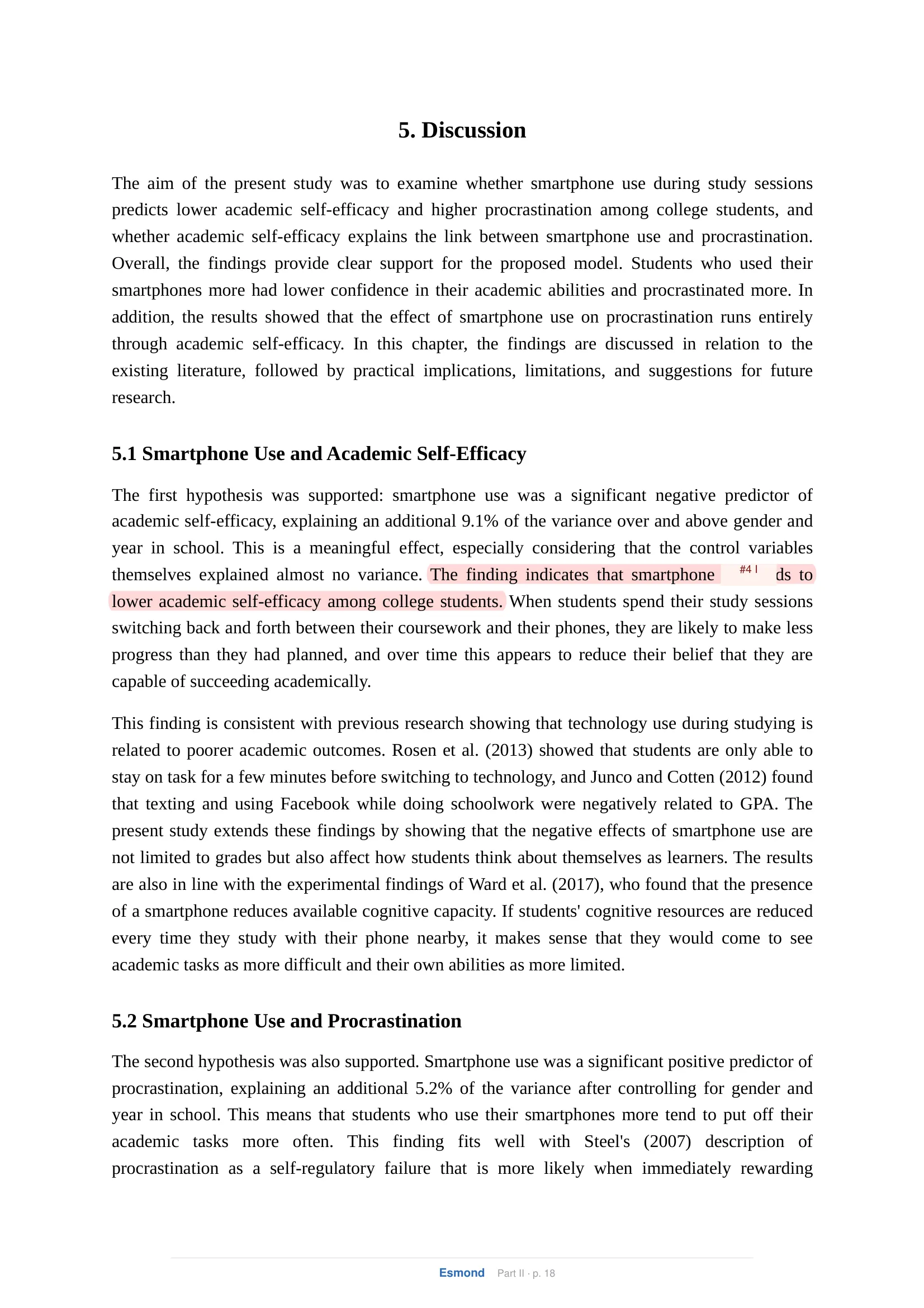
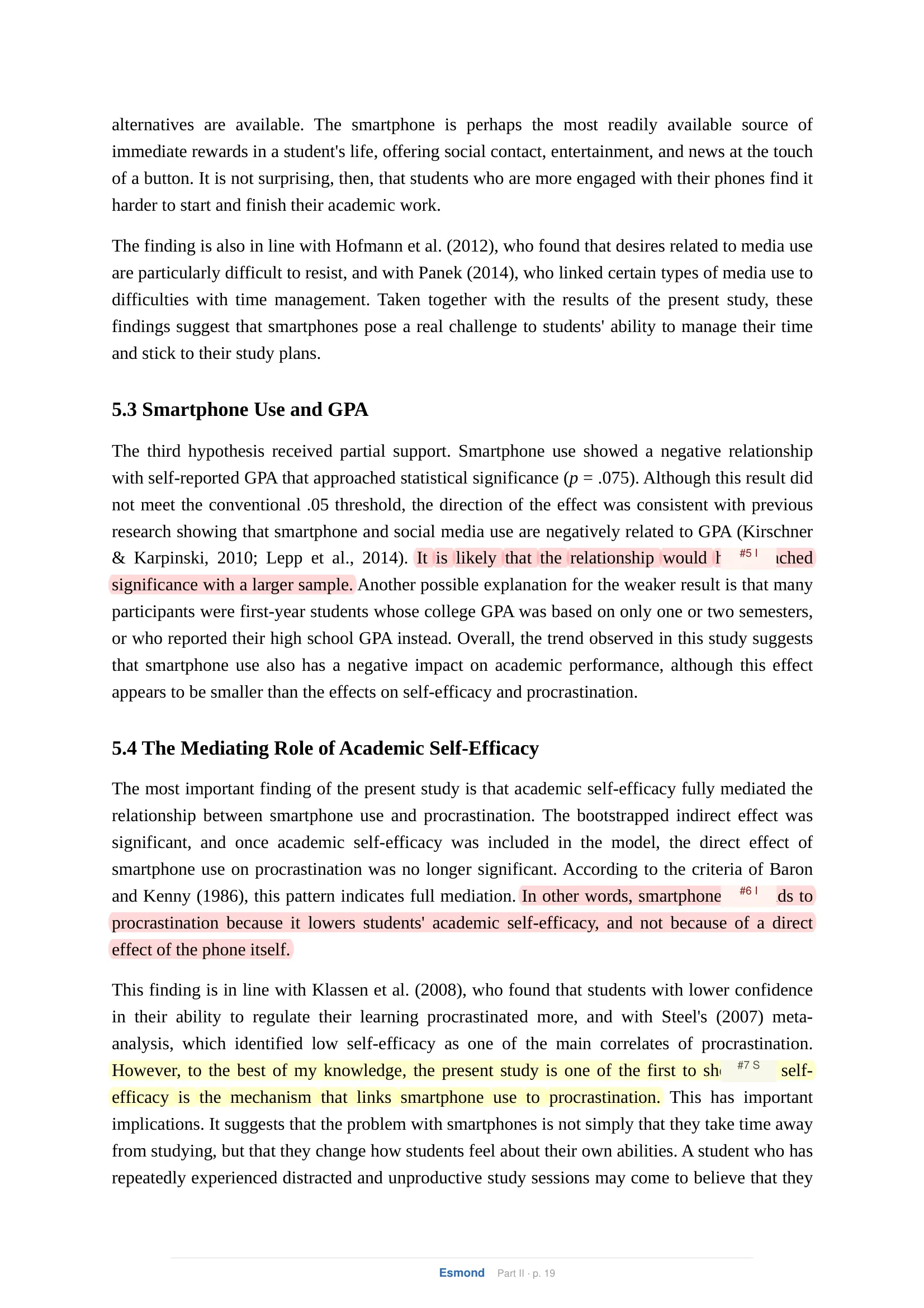
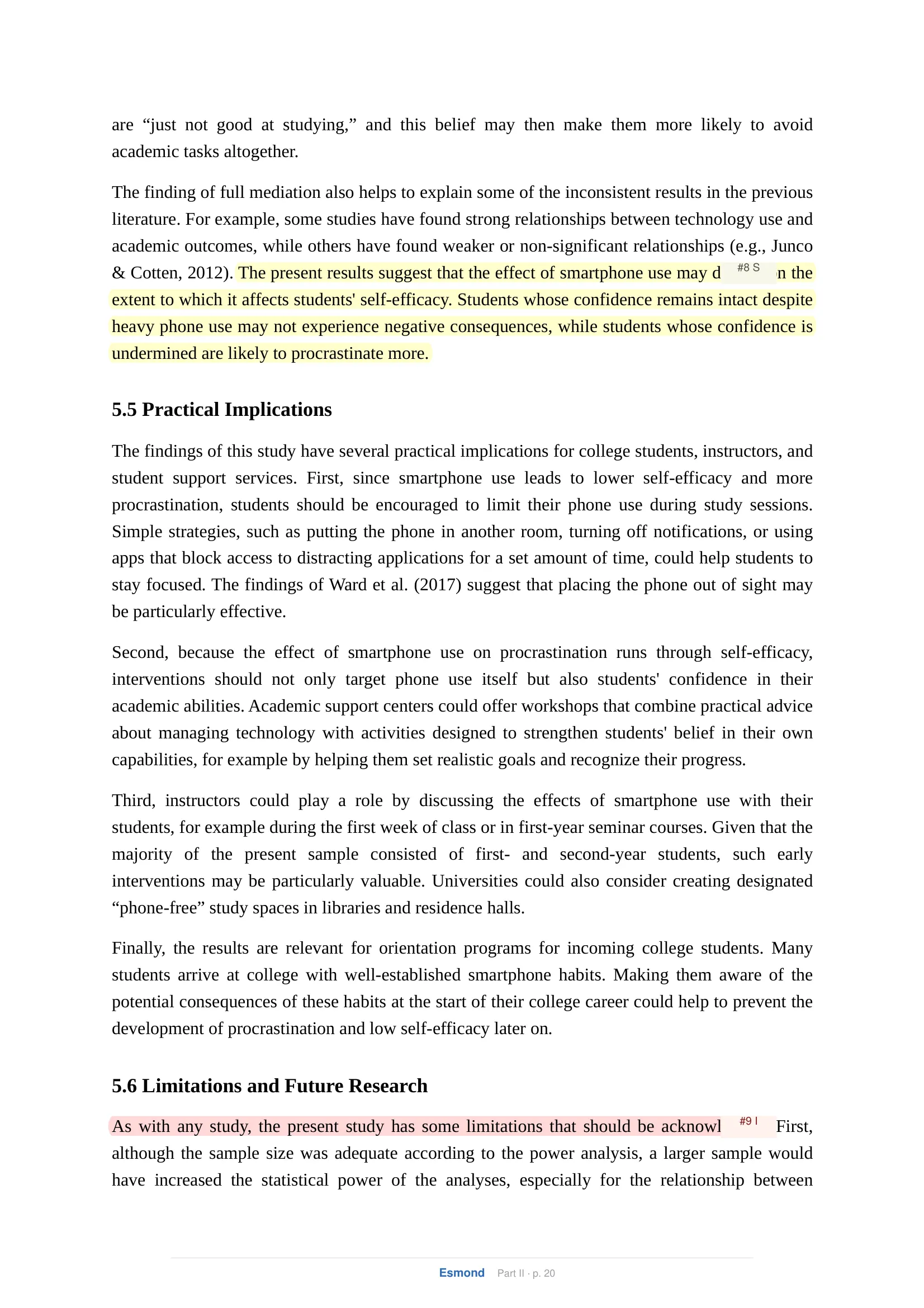
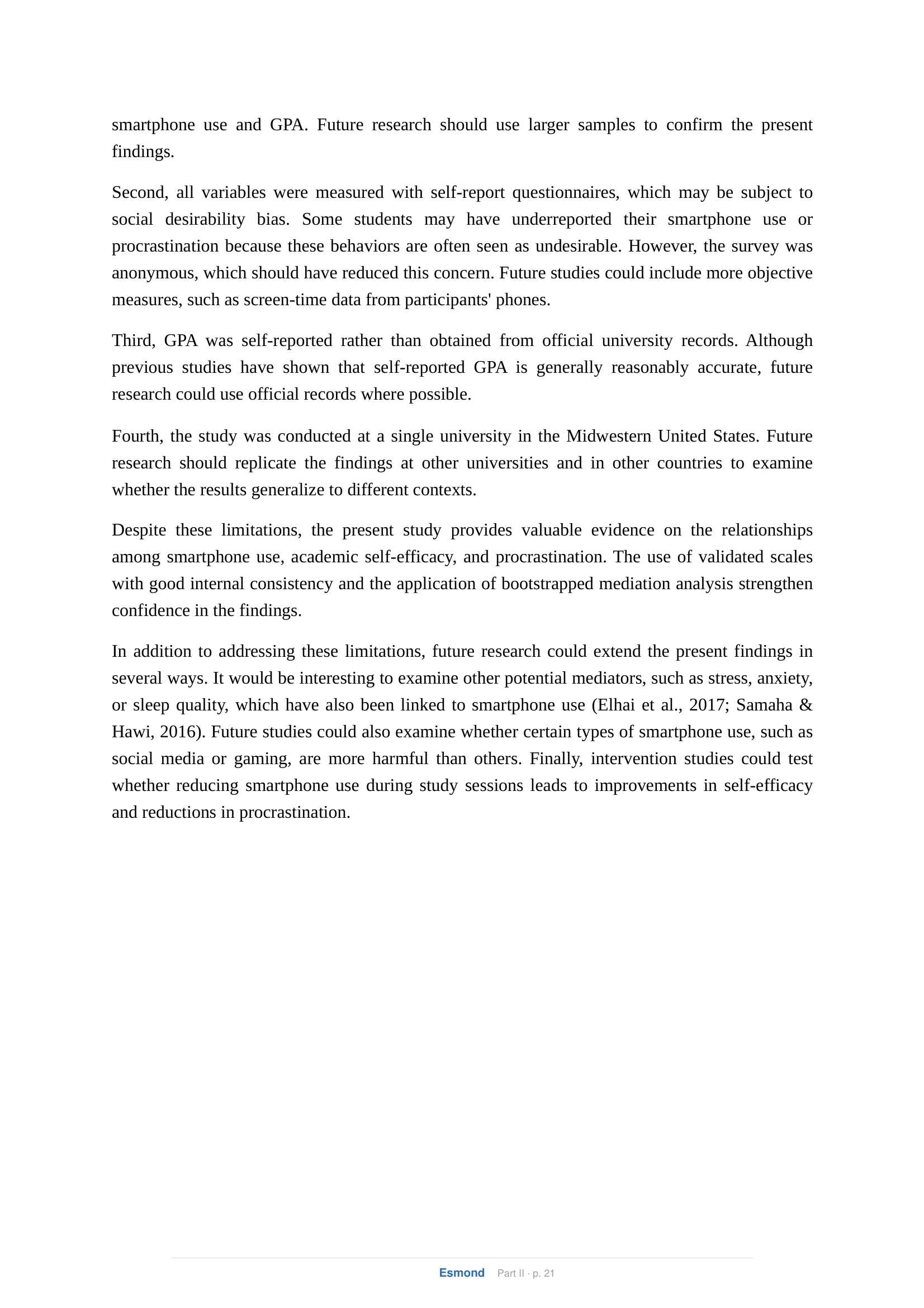
These fragments are made up. None of them comes from a real dissertation.
Your supervisor is the reader who knows your department's expectations. IR projects often cross into history, law, or economics, and a faculty member with expertise in your region or institution can read a chapter for factual accuracy. Peers in a thesis seminar are useful for testing whether your case selection convinces someone who doesn't know the region, and university librarians can help with UN and government document collections.
Rules on AI tools differ, and some IR departments that allow them ask for disclosure. The NUS Political Science prospectus states: “Students must duly acknowledge any use of generative AI.” The University of Oslo's peace and conflict master's thesis allows support material but adds: “When using AI, you must explain and be transparent about its use”. If your department has a rule like these, ask your supervisor before you use Esmond on your dissertation, and declare its use as required.
Questions from a reader about your own draft are feedback; text produced for you by someone or something else is not your own work. See can I get AI feedback on my thesis.
For contradictions between chapters, see logical gaps and inconsistencies in a thesis; for the questions a committee may ask afterward, thesis defense questions.
Usually an introduction with the research question, a literature review, a theory chapter, a research design or methods section, one or more analysis chapters, and a conclusion. The University of Tartu's IR study guide asks students to state early whether the design is a case study, a comparative study, or large-N.
Ask your department or library. Carleton's Global and International Studies program, for instance, notes that completed honours projects may be kept and shared with later students as a reference. When you read one, look at how the theory is used in the analysis, how cases were chosen, and which primary sources carry the argument.
A question about a specific decision, policy, or outcome that the sources available to you can answer, and that says whether it is explanatory, interpretive, or normative. Questions about ongoing events need a cut-off date.
No. Many IR dissertations use theories from foreign policy analysis, international political economy, security studies, or international law. What readers check is that the chosen theory produces expectations and that the analysis tests them.
Yes: your supervisor first, then peers and university support. Some departments require you to disclose AI use or to ask first, so check your rules. Esmond reads a draft you upload and points out what an IR reader may question, without changing your text.
Esmond evaluates every assignment before you submit. It never writes it.
Esmond is an AI tool that doesn't write for you. If your course doesn't allow any AI tools, don't use Esmond for that work. If you're unsure, ask your instructor or advisor.
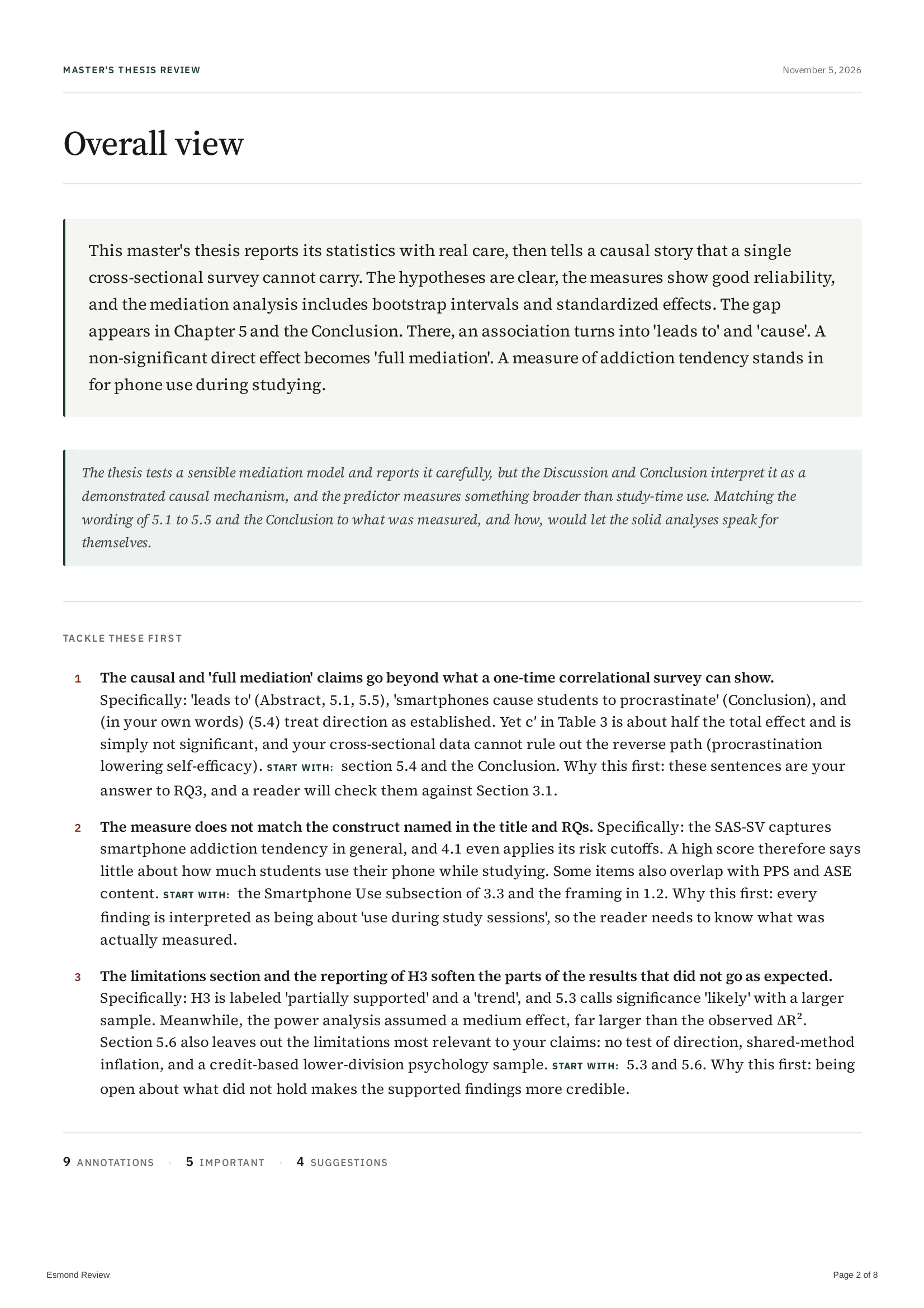
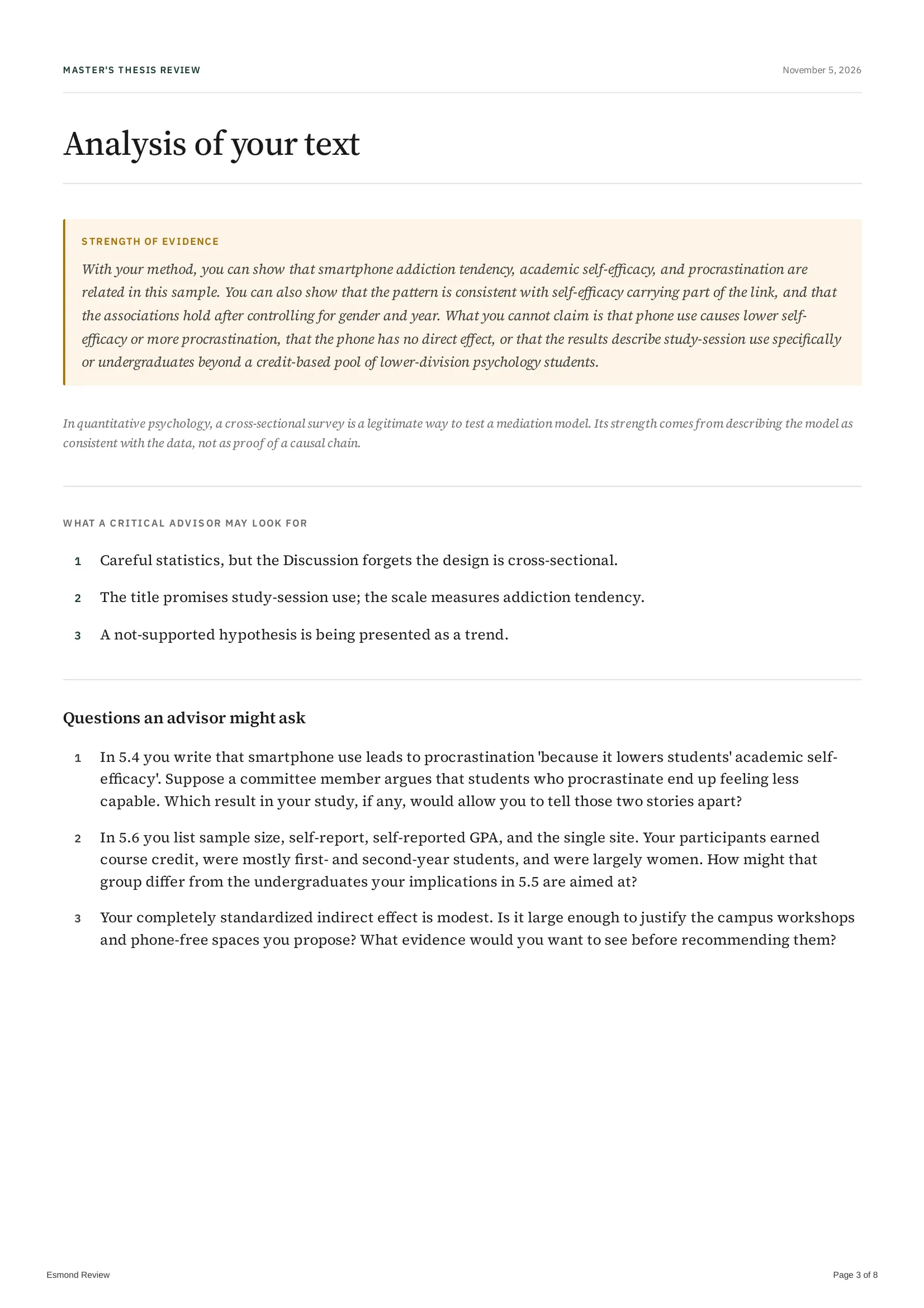
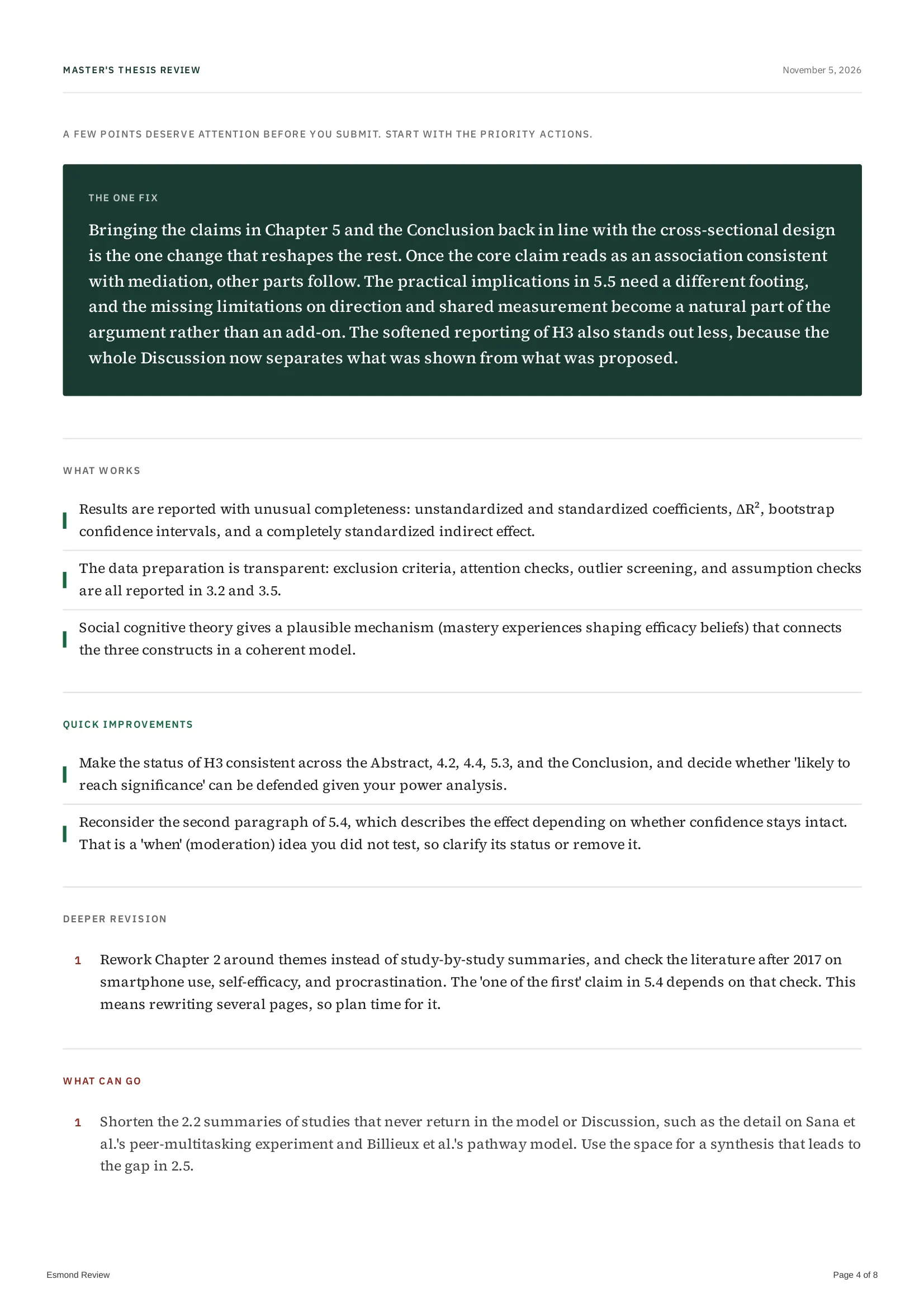
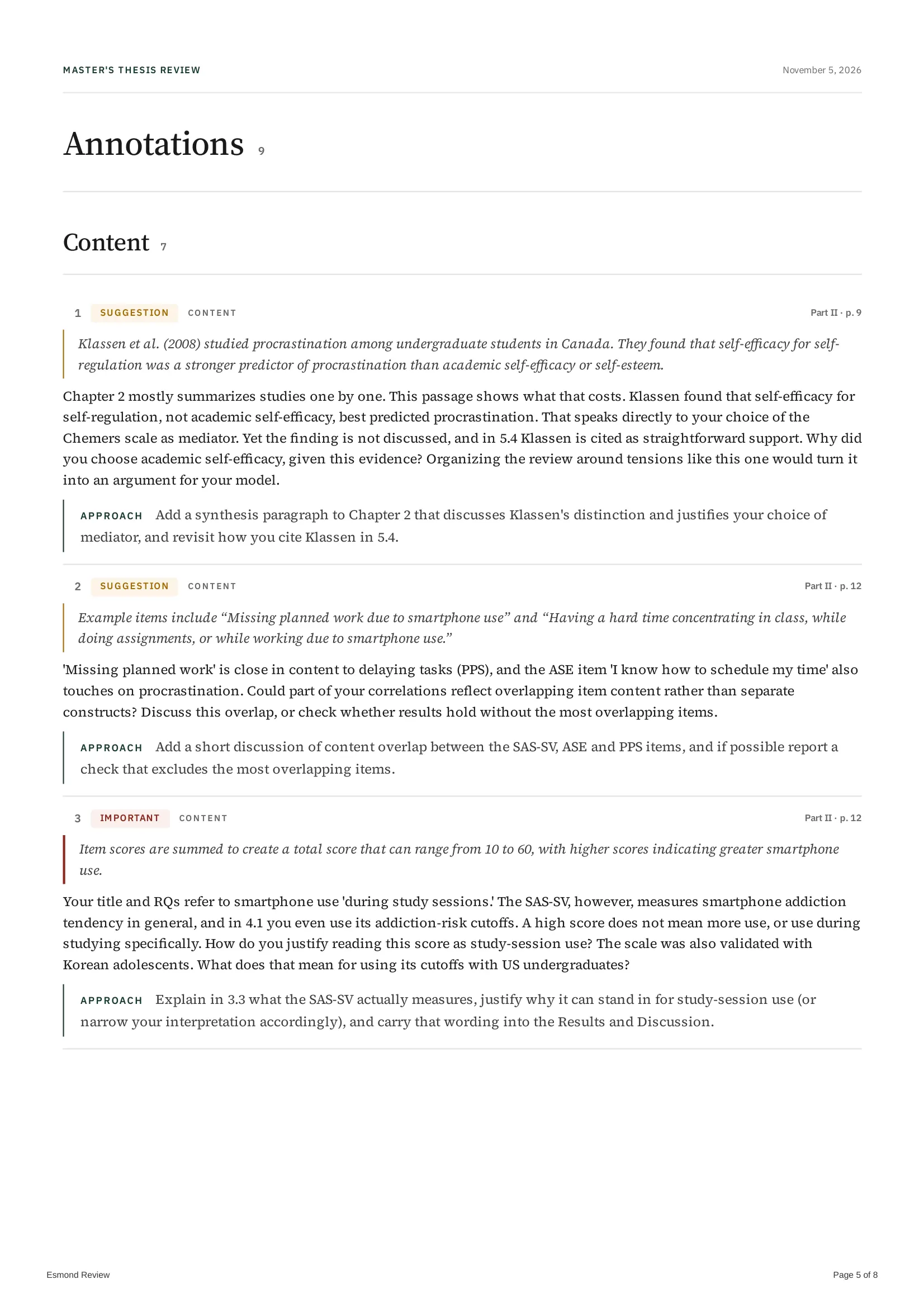
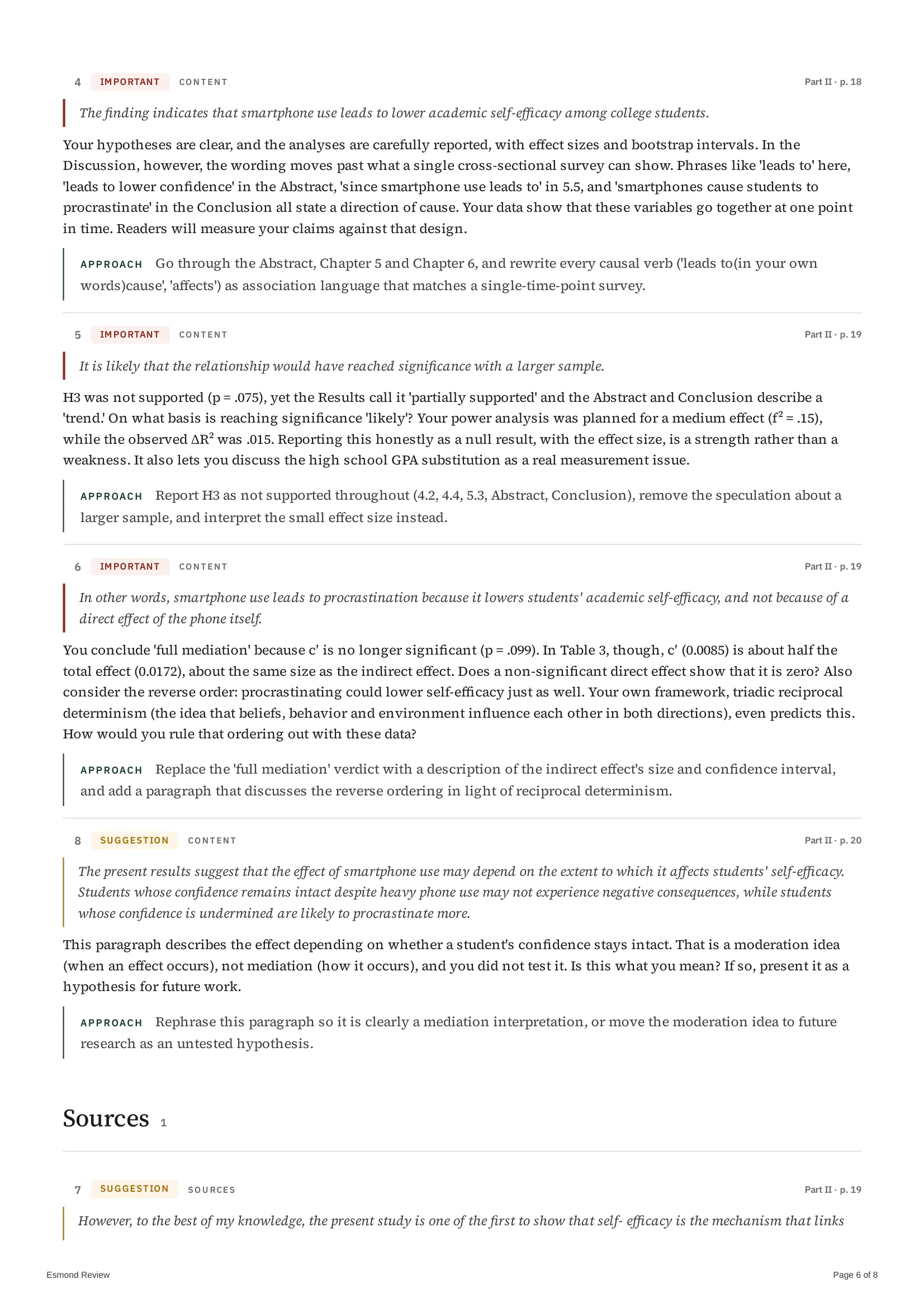
Esmond can flag, in the text you upload, what an IR reader may question: a theory introduced and then not used, cases chosen in a way that already fits the argument, intentions claimed from news reports or a single interview, a normative conclusion drawn from an explanatory analysis, and claims about ongoing events without a cut-off date. The sample report shows the format; how Esmond works explains the process.
Upload the whole draft if you can: Esmond then reads the chapters against each other, for example whether the conclusion answers the question the introduction asked. A single chapter gets a review of that chapter only.
Esmond does not verify treaty texts, votes, or interview content against the original records, and it does not check your department's template. Whether and how you revise remains up to you.
Read on November 21, 2026.
Last revised

Get your paper evaluated before you submit